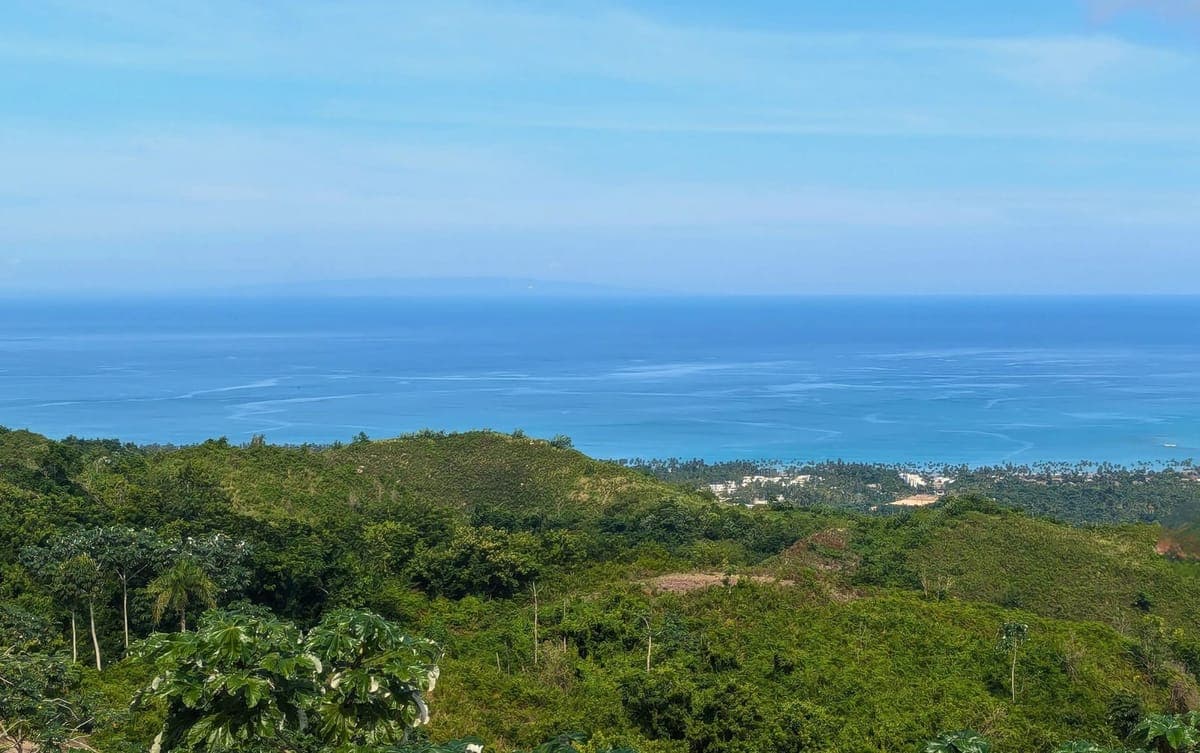
Discover how Canadian snowbirds are optimizing their winter escape to the Dominican Republic — complete with tax residency rules, healthcare coverage, and the best flight schedules from Montreal.
Are You Doing the Snowbird Strategy All Wrong?
If you're a Canadian contemplating your first winter in the Dominican Republic as a snowbird, you're probably wondering: How long can I actually stay? What happens to my healthcare? And most importantly — am I going to get hit with a massive tax bill?
You're not alone. Last year, over 2,800 Canadians purchased property in the Dominican Republic, with the majority planning to split their time between home and the Caribbean. Yet most make critical mistakes in their first year — overstaying their tax residency limits, letting their provincial health coverage lapse, or booking flights at peak prices.
In this guide, I'll walk you through the exact snowbird strategy that seasoned Canadian expats use to maximize their Dominican Republic experience while protecting their tax status, healthcare coverage, and sanity. By the end, you'll know precisely how to structure your calendar, what documents you need, and how to avoid the most common (and expensive) pitfalls.
Understanding the 183-Day Rule: Your Tax Residency Sweet Spot
Here's the question every Canadian snowbird asks: How many days can I spend in the Dominican Republic without becoming a tax resident?
The answer is simpler than most people think, but the implications are significant. Both Canada and the Dominican Republic use the 183-day rule as their primary test for tax residency. Spend 183 days or more in either country during a calendar year, and you're generally considered a tax resident of that country.
Why This Matters for Your Wallet
As a Canadian tax resident, you pay tax on your worldwide income — regardless of where you earn it. If you accidentally become a Dominican tax resident by overstaying, you could face Dominican income tax on your Canadian pension, RRSP withdrawals, or rental income.
The good news? The Canada-Dominican Republic tax treaty prevents double taxation. But here's what most accountants won't tell you upfront: You still have to file tax returns in both countries and navigate treaty provisions — a process that typically costs $2,500-$5,000 annually in professional fees.
The Optimal Snowbird Calendar
Most successful Canadian snowbirds in Las Terrenas follow this proven schedule:
- November 15 - April 15: Dominican Republic (151 days)
- April 16 - November 14: Canada (214 days)
This structure gives you the entire Caribbean winter while maintaining clear Canadian tax residency. You'll spend approximately 5 months in paradise and 7 months in Canada — enough to satisfy provincial healthcare residency requirements (which we'll cover next) while avoiding the 183-day Dominican threshold.
What About the "Closer Connection" Test?
Canada's tax authorities also consider where your "closer connection" lies. Even if you spend fewer than 183 days in the DR, the CRA could argue you're a non-resident if:
- You sell your Canadian home and establish only a Dominican residence
- Your spouse and children permanently relocate to the DR
- You close all Canadian bank accounts and sever financial ties
- You join Dominican social clubs but resign from Canadian ones
For most snowbirds, this isn't an issue. You're keeping your Canadian home (or at least maintaining one province as your primary residence), your kids are settled in Canada, and you're simply escaping winter — not abandoning your Canadian identity.
Bottom line: Structure your calendar around 5 months in the DR, maintain clear ties to Canada (home, bank accounts, family, social connections), and you'll have zero tax residency concerns.
Provincial Healthcare: The 212-Day Requirement Most People Forget
Now let's talk about healthcare — because losing your provincial coverage is far more expensive than any tax issue.
Every Canadian province requires you to be physically present for a minimum number of days per year to maintain healthcare coverage. The requirements vary:
| Province | Minimum Days Required | Grace Period |
|---|---|---|
| Ontario | 153 days (5 months) | 212 days in 12-month period |
| Quebec | 183 days | No absences over 183 days |
| British Columbia | 6 months | Must return every 6 months |
| Alberta | 183 days | 12-month rolling period |
| Manitoba | 183 days | Calendar year basis |
Notice that Quebec has the strictest requirements — you must be present for more than half the year, and you cannot be absent for more than 183 consecutive days. Ontario is more generous with its 153-day minimum across a 12-month period.
The Snowbird Healthcare Gap
Here's what catches most first-time snowbirds off guard: Even if you maintain provincial coverage, it doesn't apply outside Canada. Your OHIP or RAMQ card is useless at a Dominican clinic.
You need supplemental travel medical insurance. But here's the catch — most Canadian snowbird insurance policies have strict limits:
- Maximum trip duration: 180-212 days
- Age restrictions: Premium increases at 60, 70, 75, and 80
- Pre-existing condition exclusions (waiting periods of 90-365 days)
- Emergency coverage only — no routine care
For a 65-year-old Canadian with controlled hypertension, expect to pay CAD $1,200-$2,800 for 5 months of emergency coverage in the Dominican Republic. By age 75, that jumps to $3,500-$6,000.
The Las Terrenas Healthcare Advantage
This is where Las Terrenas stands out from other Caribbean destinations. The town has three international-standard clinics with English and French-speaking doctors:
- Clinica Cano: Dominican-trained physicians, emergency care, diagnostic lab
- Wellness Center Las Terrenas: Preventive care, expat-focused, accepts international insurance
- Centro Medico: 24/7 emergency, full pharmacy, specialist referrals
For serious emergencies, Hospiten Bavaro in Punta Cana is 90 minutes away — a JCI-accredited facility with cardiology, orthopedics, and surgical capabilities. Many Canadian snowbirds strategically purchase supplemental insurance that covers medical evacuation to this facility or back to Canada.
The practical solution? Budget $2,000-$3,000 CAD annually for supplemental travel insurance, maintain your provincial coverage by respecting the residency requirements, and use Las Terrenas clinics for routine care (which is 60-70% cheaper than Canadian walk-in clinics anyway).
Flight Scheduling: Beating the Snowbird Price Surge
Let's talk about one of the biggest hidden costs of the snowbird lifestyle: airfare.
Direct flights from Montreal (YUL) to El Catey Airport (AZS) take just 4 hours 25 minutes. Air Canada and Air Transat both operate this route, with frequency increasing in winter. But here's what you need to know about pricing:
Peak vs. Off-Peak Flight Pricing
- November-December (peak): CAD $850-$1,400 round-trip
- January-February (ultra-peak): CAD $1,200-$1,800 round-trip
- March-April (shoulder): CAD $700-$1,100 round-trip
- May-October (off-season): CAD $450-$750 round-trip
Most snowbirds make the mistake of booking November flights in September — right when everyone else is booking. Prices surge by 40-60% compared to booking in June or July.
The Smart Booking Strategy
Here's what experienced Las Terrenas snowbirds do:
- Book your return flights first — Lock in April flights in June when prices are lowest
- Use the 121-day advance window — Airlines release seats 330 days out, but best prices appear 120-150 days before departure
- Consider positioning flights — Sometimes flying Toronto-Montreal-DR or even Toronto-Punta Cana is cheaper than direct
- Join Air Canada Altitude or Aeroplan — You'll earn status quickly with annual Caribbean flights
- Set price alerts — Google Flights and Hopper track price drops and predict best booking times
Book early. A November-to-April round-trip booked in July typically costs far less than the same itinerary booked in October — often a difference of several hundred Canadian dollars for waiting three months.
Managing Mid-Season Returns
Some snowbirds need to return to Canada mid-winter for family events, medical appointments, or business obligations. If this is you, consider:
- Two one-way tickets instead of round-trip (more flexibility)
- Buffer your 183-day calculation — Build in 10-15 days of margin for unexpected delays
- Coordinate with property management — If you're renting out your Sienna villa, ensure gaps align with your absence
Property Management While You're Away: The Make-or-Break Factor
You've structured your calendar, sorted your healthcare, and booked affordable flights. Now comes the most important question: What happens to your Dominican property when you're in Canada for 7 months?
This is where most snowbird strategies succeed or fail. An empty property in the Caribbean deteriorates fast — humidity, insects, power outages, and security concerns compound quickly. But over-managing from 2,500 miles away will drive you insane.
The Three Property Management Options
Option 1: Self-Management (Not Recommended)
Some owners try to manage everything remotely — coordinating with cleaners, gardeners, pool techs, and security via WhatsApp. This works if you enjoy daily problem-solving in Spanish and don't mind 3am messages about water heater failures.
Reality check: Self-management saves you the 20% management fee but costs you 10-15 hours per month in your Canadian time. For most professionals and retirees, that's a terrible trade-off.
Option 2: Rental Income to Offset Costs
This is the most popular approach. You rent out your property during your 7 months in Canada, generating income that covers HOA fees, utilities, and management costs. With Las Terrenas rental yields of 6-9% annually, you can potentially cover 60-80% of your carrying costs.
At Sienna, our partnership with VIP Realty Manager handles this seamlessly:
- Professional photography and listing optimization
- Dynamic pricing to maximize occupancy and rates
- Guest screening, check-in/check-out, and 24/7 support
- Cleaning, maintenance, and damage protection
- Monthly financial reporting and direct deposit
The management fee is 20% of rental income — but you're not paying it out of pocket, you're paying it from income you wouldn't have otherwise earned.
Option 3: Snowbird Swap Networks
Some creative snowbirds join home exchange networks like HomeExchange or Canadian Snowbird Association swaps. You trade your Las Terrenas villa for someone else's property in the DR, Mexico, or even another Canadian province during shoulder seasons. This works well for those who value variety over rental income.
Security and Maintenance Essentials
Regardless of your management approach, every snowbird property needs:
- Hurricane shutters or impact windows — Non-negotiable in the Caribbean
- Automatic payment setup — Utilities, HOA, insurance, all on auto-pay
- Local emergency contact — Someone with property keys and decision-making authority
- Comprehensive insurance — Including hurricane, flood, and vacancy coverage
- Monthly inspection schedule — Even if unoccupied, someone walks through monthly
At Sienna, our HOA fees (starting at $342/month for a 1BR) include 24/7 security, common area maintenance, landscaping, and pool service — significantly reducing your management burden compared to standalone properties.
The Las Terrenas Snowbird Community: You're Not Alone
One of the biggest surprises for first-time snowbirds? The instant social network waiting for you in Las Terrenas.
This isn't like buying a condo in a South Florida retirement complex where everyone sticks to themselves. Las Terrenas has a thriving international community of 6,000+ expats and seasonal residents, with 1,200+ French-speaking Canadians who've perfected the snowbird routine.
Where Snowbirds Connect
Weekly Gatherings:
- Tuesday: Beach volleyball at Playa Cosón — Mixed skill levels, very social
- Wednesday: Las Terrenas Farmers Market — Meet vendors and other internationals
- Thursday: French-Canadian happy hour rotates between El Mosquito, La Terrasse, and Boca Marina
- Friday: Live music nights at various restaurants (Luis, The Beach, El Cabito)
- Sunday: Community yoga at Playa Bonita followed by brunch
Formal Organizations:
- Las Terrenas International Club: Monthly dinners, cultural events, volunteer projects
- French-Canadian Association: Newsletter, legal/tax seminars, holiday gatherings
- Las Terrenas Golf Society: Weekly rounds at nearby courses, tournaments
Many Sienna owners report that their social calendar in Las Terrenas is actually more active than their Canadian lives — because everyone is in vacation mode, open to meeting new people, and actively seeking community.
Finding Your Snowbird Rhythm
Here's what typically happens in your first season:
Weeks 1-2: Settling in, figuring out grocery shopping and restaurants, meeting neighbors
Weeks 3-6: Joining activities, establishing routines (morning beach walks, afternoon Spanish lessons, evening social events)
Weeks 7-16: Full integration — you have your favorite restaurants, regular beach spot, weekly social commitments, maybe even a local volunteer role
Week 17-20: Saying goodbye is harder than you expected, already planning next season
By your second season, you'll have your routine dialed in — and you'll be the one welcoming first-time snowbirds and sharing tips.
Making It Official: Your Snowbird Action Plan
Ready to structure your Canadian-Dominican snowbird lifestyle properly? Here's your step-by-step implementation plan:
6 Months Before Your First Season
- Consult a cross-border tax accountant — Confirm your specific residency situation and any unique considerations
- Review provincial healthcare requirements — Document your current residency status and required days of presence
- Purchase travel medical insurance — Get quotes from multiple providers while you're healthy (pre-existing conditions have waiting periods)
- Research flight options — Set up price alerts for your target travel dates
3 Months Before Departure
- Book your round-trip flights — Aim for 120-150 days advance booking for best prices
- Arrange property management — If renting, get listings live 90+ days ahead
- Set up automatic bill payments — Canadian utilities, credit cards, insurance, etc.
- Notify your bank — Prevent fraud alerts on Dominican transactions
- Get International Driving Permit — Required for renting vehicles in DR
1 Month Before Departure
- Health check-up — Get prescriptions refilled for 6 months, address any medical concerns
- Update your will and power of attorney — Especially if you'll be out of country for extended periods
- Prepare your Canadian home — Lower thermostat, arrange snow removal, stop mail delivery
- Pack light — Remember, you're coming back in 5 months
First Week in Las Terrenas
- Register with local clinics — Establish care relationships before you need them
- Introduce yourself to neighbors — Especially important in a community like Sienna
- Set up local services — Cleaning, gardening, pool maintenance schedules
- Join community groups — Get on email lists, WhatsApp groups, social media forums
- Update your calendar — Count your days to ensure you don't accidentally overstay
Why Sienna Makes the Snowbird Strategy Easier
Everything I've outlined above — tax residency, healthcare, property management, community integration — becomes significantly simpler when you're based in a purpose-built, professionally managed development like Sienna.
Here's what sets us apart for Canadian snowbirds:
Turnkey Property Management
Our partnership with VIP Realty Manager means your property is actively earning income during your 7 months in Canada, with zero effort required from you. Professional guest management, maintenance, cleaning, and financial reporting — all handled.
CONFOTUR Tax Advantages
Sienna's CONFOTUR qualification means 0% property tax for 15 years. For a typical Sienna 2BR villa valued at $350,000, that's over $52,500 in savings — money that can go toward your travel medical insurance, flight costs, or simply enjoying your Caribbean winters.
Built-In Snowbird Community
Because Sienna attracts like-minded international buyers (particularly French-Canadians and Europeans), you'll instantly connect with fellow snowbirds who share your values around sustainability, authentic living, and community.
Security and Peace of Mind
Our 24/7 gated security and HOA-managed maintenance mean you're never worrying about your property while you're in Canada. Fly home knowing everything is monitored, maintained, and protected.
Flexible Ownership Options
Not ready to commit to full ownership? Sienna's fractional ownership starting at $177,000 gives you 4 months of annual usage rights — perfectly aligned with the optimal snowbird calendar. You get the lifestyle without the full financial commitment.
Your Next Step: See the Snowbird Strategy in Action
The best way to understand if the Canadian-Dominican snowbird lifestyle is right for you? Experience it firsthand.
Our Discovery Tour includes 4 nights in Las Terrenas, private property tours at Sienna, meetings with current Canadian snowbird owners, and one-on-one time with our legal team to address your specific tax and residency questions.
You'll walk the beaches, eat at the best restaurants, meet the French-Canadian community, and see exactly how your calendar could look for the next 10-20 winters.
Ready to explore the snowbird strategy for yourself? Book your Discovery Tour now — spaces are limited to maintain an intimate, personalized experience.
Because winter in Canada is optional. Your Caribbean escape is waiting.
Stay in the loop
Have questions about this?
Talk to our sales team directly — we'll answer on WhatsApp or by phone.
Written by
Sienna Terrenas Editorial Team
The Sienna Terrenas editorial team covers buying, owning, and living in Las Terrenas, Dominican Republic — from the purchase process and CONFOTUR tax strategy to villa construction and Caribbean community life, drawing on the team's on-the-ground experience in the area. Meet the Sienna Terrenas team.