Slow living is a deliberate practice — doing fewer things at the rhythm of where you are. Where the movement came from, what it actually means, and why the Dominican north coast has been doing a version of it for generations.
Slow living is a deliberate practice of doing fewer things at the rhythm of the place you are in. It is not a synonym for rural living, lazy living, or unplugged living, though those are sometimes part of it. The actual definition is closer to the original Italian: refusing the assumption that everything has to be faster, and choosing instead to let the cadence of the place set the cadence of the day.
This piece is the long answer to what slow living is, where it came from, and why the Caribbean — and specifically the Dominican north coast — is one of the better places in the world to practice it.
Key Takeaways
- Slow living started in Italy in the 1980s as a reaction to fast food and faster cities; it is now a global movement with a clear definition.
- The core principle is letting place and season set the cadence, rather than the calendar.
- The Caribbean has been practicing a version of slow living for centuries — the term arrived later than the practice.
- Slow living is not anti-modern; many committed practitioners are remote workers with full international careers.
- The most useful way to start is to identify one daily habit and slow it down — coffee, meals, walks. Place matters, but practice matters more.
Where does slow living come from?
The movement traces directly to a single event: the 1986 opening of a McDonald's near the Spanish Steps in Rome. The Italian writer Carlo Petrini and a small group of activists protested, founding what became Slow Food — a global movement built around the idea that food should be local, seasonal, traditional, and eaten without rushing. Slow Food was the first.
From there the principle spread. Slow Cities (Cittaslow) was founded in 1999 by mayors of small Italian towns who wanted to apply the same logic to urban planning — preserving local character, scale, and pace against the homogenizing pressure of globalization. Slow Travel, Slow Fashion, Slow Money, and eventually Slow Living followed.
Slow Living, as a personal practice, is the most recent and least formalized of these. It does not have a manifesto or a certification body. It is a loose set of principles — deliberateness, place-attachment, seasonality, reduced consumption — that practitioners adapt to their own circumstances.
What is slow living — and what isn't it?
A useful definition: slow living is the deliberate refusal to accept "faster" as automatically better, and the choice to let place, season, and relationship — rather than calendar and notification — set the cadence of daily life.
What it is:
- A practice, not a destination. You do not arrive at slow living; you do it.
- A relationship with place. Slow living without a sense of where you are is mostly aesthetics.
- A choice about how time is spent, not how much there is.
- Compatible with serious work, family, and ambition. The slow-living writer Kate Vaiknoras notes that the busiest people are often the ones who benefit most from the practice.
What it is not:
- Anti-modern. Most committed practitioners use smartphones, work online, travel internationally.
- A vacation aesthetic. A slow weekend is not slow living; the practice has to compound.
- Rural-only. Cittaslow began in towns, not on farms.
- An economic luxury. The practice does not require wealth, though some forms of it (a property abroad, a long break from work) do.
Why is the Caribbean naturally suited?
The Caribbean — and tropical climates generally — have a few structural advantages for slow living that are easy to miss until you spend time there.
The first is light. In the tropics, the day-length variation is small. Sunrise is around 6 in May, around 7 in December. The seasonal shift in when the day happens — which dictates so much of life in temperate climates — is largely absent. The rhythm comes from heat, wind, and rain instead.
The second is climate-driven cadence. Mornings are cool and active. Midday is hot and quiet. Late afternoon and evening are when the place is alive. This is not a choice; it is a climate. Anyone living in the tropics ends up with a day shaped this way whether they intended to or not.
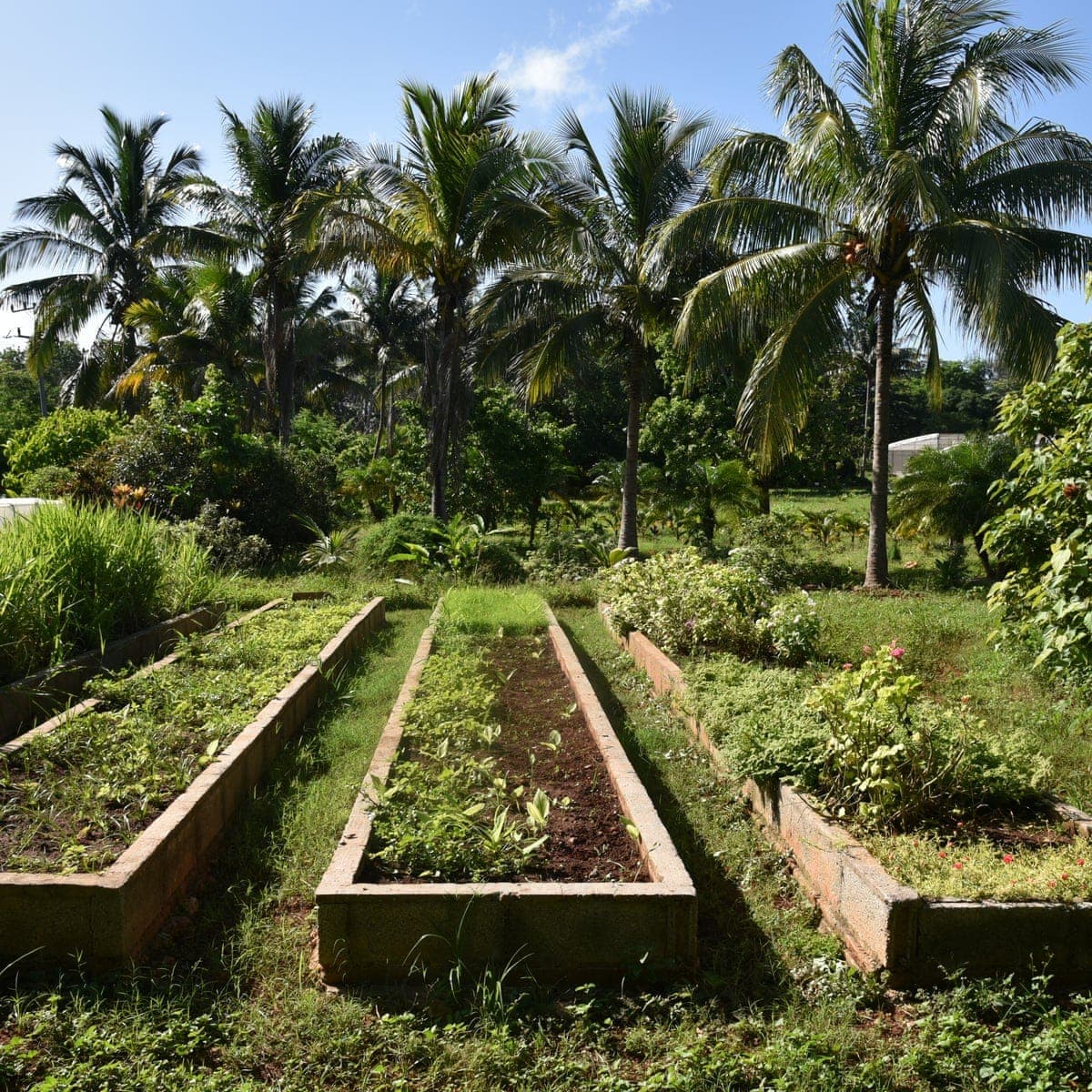
The third is food and supply chain. Tropical year-round growing seasons mean local food is genuinely available year-round, not just for a brief summer window. Farm-to-table is not a marketing concept in much of the Caribbean — it is what is available.
The fourth is community scale. Caribbean towns, particularly outside the resort zones, tend to be small. People know each other. The local fish market knows your name by the second visit. The slow-living principle of relationship-to-place is not aspirational; it is the default.
What about the Dominican north coast specifically?
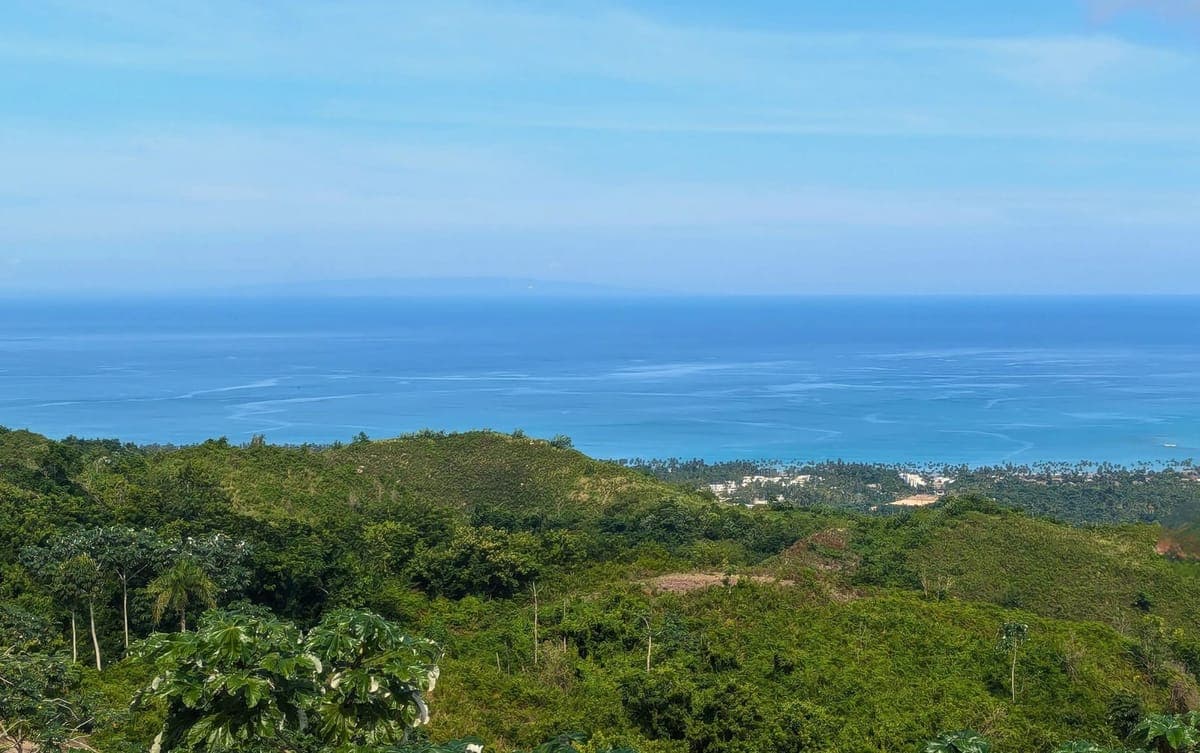
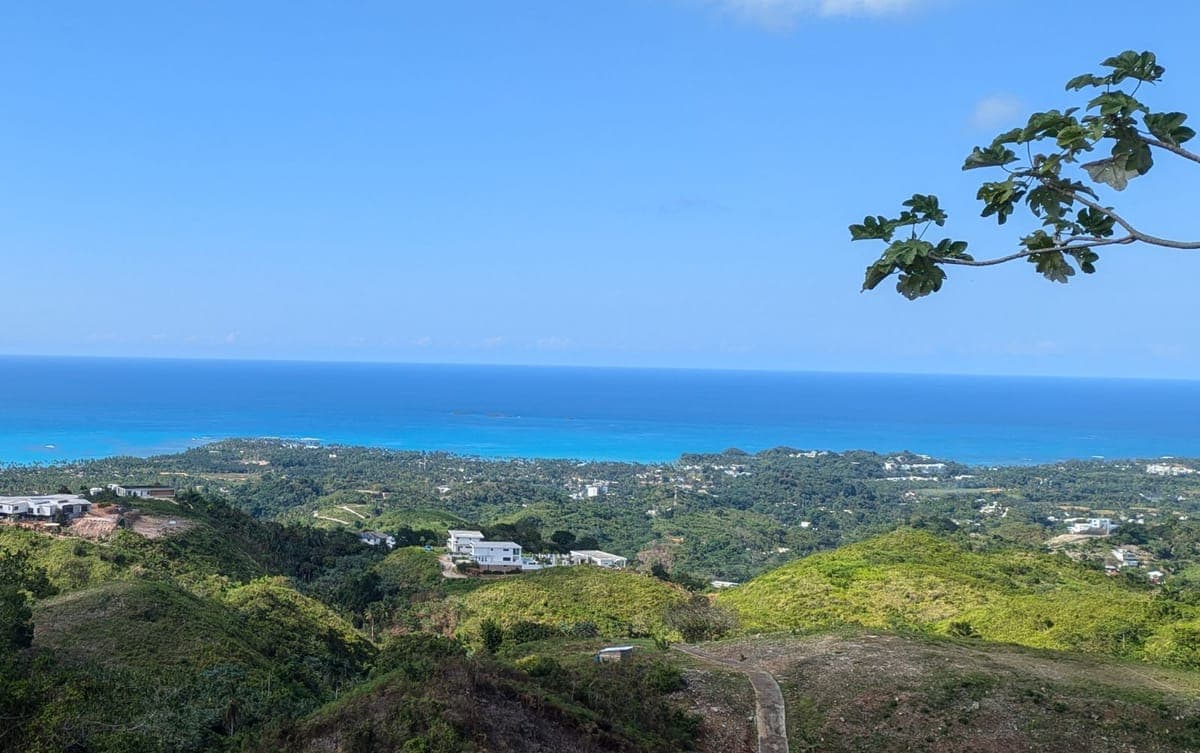
Las Terrenas, on the Samaná peninsula, is a particularly clean example because of three accidents of history:
- Two French entrepreneurs developed the original Las Terrenas in the 1980s, giving the town a Dominican-French cultural mix from the start. The cafe-and-market rhythm of the centre, the food culture, and the international community all derive from that.
- The Samaná peninsula was hard to reach until recently. Until the El Catey airport opened, getting to Las Terrenas required a long drive from Santo Domingo. The town developed slowly — the package-tourism wave that hit Punta Cana never arrived here.
- The geography did not allow high-rise development. The town sits between mountain and sea, in a narrow coastal strip. There is no skyline. The scale of the place has held even as it has grown.
The result is a Caribbean town that has been practicing what is now called slow living for two generations, without having a name for it. Travel + Leisure has tracked Las Terrenas among the Caribbean's emerging "smaller, slower" destinations, and the demographics — French and Quebecois expat community, growing remote-work cohort, North American second-home owners — reflect that positioning.
What does slow living look like as a daily practice?
The honest answer is: less specific than the lifestyle press makes it sound. A practitioner's day is not radically different from anyone else's. The differences are in cadence and intention:
- Morning coffee taken sitting down, not at a screen
- Meals cooked or eaten at restaurants where the menu reflects what is in season
- Walks built into the day rather than scheduled as exercise
- Work blocks shorter and more concentrated, with the long midday window used for rest or quiet
- Local supply chains used by default — the fish market, the corner cafe, the weekly produce delivery
None of this is dramatic. Slow living is not dramatic. It is the accumulation of small choices that, in the aggregate, produce a different relationship with time.
How do you start, whether or not you move?
You do not have to move to the Caribbean to practice slow living. The principles travel.
The most useful starting move is to pick one daily habit and slow it down. Coffee is a common entry point because it happens every day and is easy to change. Meals are another — cook one more day a week, or eat one meal a day without a screen.
The harder move is to commit to one place. Slow living is partly about local-knowledge accumulation — knowing which fishmonger has the best Tuesday catch, which cafe stays open during the slow season, which back road is fastest on a Friday. That knowledge only builds with time in one place.
For some people, the answer eventually is a real move — to a slower town, to a second home in a slower country, to a remote-work setup that allows months in one place at a time. For others, the practice happens entirely where they already are.
The shorter version
Slow living is the deliberate choice to let place, season, and relationship set the cadence of daily life, rather than the calendar. The Caribbean, and the Dominican north coast specifically, has been practicing a version of it for generations.
If you want to see how a community is designed around this principle, the Sienna lifestyle page and the sustainable-living overview cover the structural side. To experience the cadence directly, a Discovery Tour is the honest test — four nights of slow days, then you decide.
Have questions about this?
Talk to our sales team directly — we'll answer on WhatsApp or by phone.
Written by
Sienna Terrenas Editorial Team
The Sienna Terrenas editorial team covers buying, owning, and living in Las Terrenas, Dominican Republic — from the purchase process and CONFOTUR tax strategy to villa construction and Caribbean community life, drawing on the team's on-the-ground experience in the area. Meet the Sienna Terrenas team.