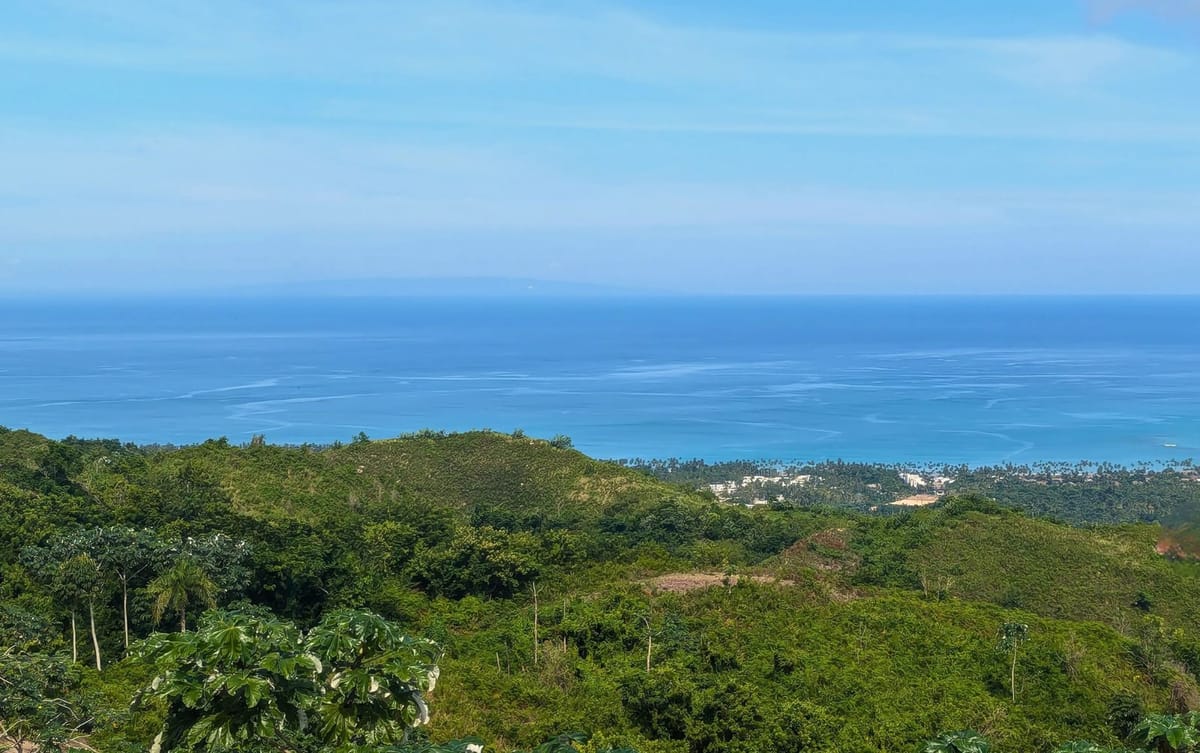
Late April on the El Jamito hillside: the mango trees along the road into Las Terrenas are setting fruit, and part-year owners are walking their villas with a checklist that covers shutters, dehumidifier hoses, cistern valves and a spare key for the caretaker. If you plan to retire in the Dominican Republic for the winters only, this routine decides how November feels. Done properly, closing up a tropical home gives you a lock and leave home that can sit for six months without damp, pests or flooded floors.
If you have ever closed a cottage in the Laurentians for the winter, the logic will feel familiar, just reversed. In Quebec you close against frost and burst pipes. Here frost doesn't matter. You close against humidity, standing water, insects and summer storms. Below is how part-time living in Las Terrenas works in practice, from the weeks before departure to the first morning back, using the systems in a new-build eco-villa at Sienna as the working example.
Why Is Summer So Hard on an Empty Villa in Las Terrenas?
The six months you spend away are exactly the months when the house most needs people in it. The Government of Canada's travel advice for the Dominican Republic states that hurricane season runs from June to the end of November, which lines up almost exactly with a snowbird's summer up north. Those are also the hottest, stickiest months on the Samaná peninsula.
A lived-in house regulates itself without anyone noticing. Cooking, showering, opening the doors at breakfast and running the ceiling fans all keep air and water moving. Take the people out and close the storm shutters, and the air inside goes still. Humidity settles into closets, the backs of sofas and the undersides of mattresses. The water in drain traps evaporates. Ants and termites find the quiet.
The Laurentian cottage, reversed
Nothing here will freeze, so you never need to blow out the pipes. What you plan for instead is warm, wet air with nowhere to go, power cuts (the apagones that anyone who has spent a summer in the Dominican countryside knows well), and a storm arriving when nobody is home. Every step below answers one of those three.
What Should You Arrange Three Weeks Before You Fly?
Start with people and paperwork. The hardware can wait until the final week.
Decide who holds the key
Someone has to walk through the villa while you are gone. At Sienna that falls to the property management team, which provides 24/7 monitoring, regular inspections and preventive maintenance as part of the services described in our guide to Sienna's amenities and community. Elsewhere in Las Terrenas, owners hire an encargado, the local word for a caretaker, or trade favours with a neighbour who stays year-round.
Whoever it is, agree on four things in writing:
- how often they visit, and what a visit includes
- that every visit ends with dated photos sent to you
- who they call about a leak, a fallen branch or a failed inverter
- a spending limit they can approve without phoning you at 3 a.m. in Montreal
Check the vacancy wording in your insurance
Many home policies set conditions for a property left unoccupied, such as regular inspections or water shut off at the main. Ask your broker which conditions apply to you, and keep the caretaker's visit log as proof that you met them.
Rent it, or keep it shut?
A villa in a rental programme is never fully locked up. Guests keep it aired and lived in, though you pay for that in wear and a turnover clean before you return. Make this decision early, because a rented villa needs its systems left running and everything below changes.
How Do You Keep Humidity Out of a Shut-Up Villa?
You need three things: a dehumidifier that drains on its own, open interior doors, and nothing absorbent left where damp air can reach it.
The U.S. Environmental Protection Agency's mould guidance recommends keeping indoor relative humidity below 60%, and that is a sensible target for a closed Caribbean house. A bucket dehumidifier fills within a day and then stops, so connect a continuous drain hose to a floor drain or shower and confirm it runs downhill before you leave. Where possible, set it to run during daylight hours on solar power.
Let the air reach everything
- Leave every interior door, wardrobe and kitchen cabinet open, with drawers slightly ajar.
- Stand mattresses on edge, or lift them so air passes underneath.
- Pack linens, towels and clothing in sealed plastic bins. Take leather goods and shoes home, or seal them too.
- Move framed pictures and soft furnishings away from exterior walls.
Empty the kitchen
Clear the pantry completely. By June, one open bag of rice will have ants in it. Empty, clean and unplug the fridge, then prop the door open with a folded towel so mould can't grow inside.
The villa's design helps. Sienna's villa plans rely on cross-ventilation and on finishes chosen for salt air and damp, which we cover in preventing mold in a tropical home. With the shutters closed, though, cross-ventilation stops, and the dehumidifier has to do the job on its own.
How Should You Leave the Solar, Battery and Water Systems?
Keep power flowing to a few essential loads and switch everything else off. Then make sure a burst fitting cannot drain your cistern onto the floor.
Solar and battery
The most common mistake is switching the whole system off. If your villa has solar panels and a battery bank, let them keep feeding a short list of circuits: the dehumidifier, the internet equipment, cameras and sensors. Turn off everything else at the breaker panel, including the water heater, oven, air-conditioning and any pool pump. Lithium batteries also degrade if they sit completely full or completely empty for months, so ask your installer to set a storage mode or reserve level that follows the manufacturer's guidance. Our explainer on Sienna's villa solar, water and wastewater systems shows how these circuits are laid out.
Internet in the El Jamito hills comes by satellite (Starlink) or a local wireless provider. Keep that equipment on a battery-backed circuit, because it is the only link between the house and your phone.
Cistern, pump and water heater
- Clean the gutters and the first-flush diverter, because the rains will arrive while you are away.
- Leave water in the cistern so the caretaker can run taps and clean up after a storm.
- Close the main valve to the house and switch off the pressure pump at the breaker.
- Cover the solar water heater's collector or use the installer's vacation setting. With nobody drawing hot water, it can overheat.
Drains and wastewater
The water held in drain traps (the U-bend under each sink and the seal in each toilet) keeps sewer gas and cockroaches out. Over six hot months it evaporates. Pour a little mineral oil into every sink and floor drain, and stretch plastic film over the toilet bowls. Each Sienna villa treats its own wastewater, and a biological system slows down when nothing flows in, so ask management to check it shortly before you return.
Who Watches the House From June to November?
A person who visits on a schedule, backed up by sensors that report in between visits.
What a good inspection covers
On each visit, the caretaker should confirm the dehumidifier is draining and look for water stains on ceilings and window frames after heavy rain. They should also check door frames and baseboards for termite mud tubes, run each tap briefly, read the inverter display, and send you photos before locking up. A visit like this is short, and it is the difference between finding a small leak in July and a ruined ceiling in November.
When a storm is forecast
A named storm changes the routine. Beforehand, someone confirms the shutters are latched, brings in outdoor furniture and clears the drains. Afterwards, someone walks the property and reports back. That sequence is set out in Sienna's storm protocol for absentee owners.
Eyes between visits
Inexpensive humidity, water-leak and power sensors, plus a camera or two, let you check from home that the dehumidifier is holding and the battery is charging. If you search r/DominicanRepublic on Reddit, where owners trade notes on caretakers, inverters and apagones, you'll find years of practical threads from people who leave their homes empty for months at a time.
What Does the First Day Back in November Look Like?
Mostly it means opening things up again.
The drive from El Catey airport (AZS) to Las Terrenas takes about 25 minutes, so you can have the shutters up and every window open by mid-afternoon. Then comes the water. Open the main valve, switch the pump back on, and run every tap and shower for several minutes to flush out water that has sat in the pipes since April. Replace the filter cartridges now rather than before you leave, because a filter left wet and idle all summer should be thrown away anyway. Take the film off the toilets, flush them all, and switch the water heater back on.
Then walk through slowly. Check the undersides of drawers, the backs of wardrobes and the fridge seal. If the dehumidifier held its target, you'll find nothing.
The season that justifies the preparation
The late-year rains ease and the trade winds return. From January, humpback whales gather in Samaná Bay just around the peninsula. If you're weighing whether part-time living in Las Terrenas fits your retirement, a Discovery Tour of Sienna and Las Terrenas lets you walk a hillside villa site and ask about these systems in person.
By the second evening the fans are turning, the house smells of the garden again, and you're back on island time. That is what the April checklist is for.
Prices, plans and the full picture
One digital folio with the residence designs, lot prices, the payment plans and the tax structure. Read it offline, share it with your family.
Written by
Sienna Terrenas Editorial Team
The Sienna Terrenas editorial team covers buying, owning, and living in Las Terrenas, Dominican Republic, from the purchase process and CONFOTUR tax strategy to villa construction and Caribbean community life, drawing on the team's on-the-ground experience in the area. Meet the Sienna Terrenas team.